In today’s fast-paced interiors market, furniture is often treated as disposable. Flat-pack convenience and trend-driven designs dominate large retailers, but more homeowners are beginning to question whether mass-produced pieces truly offer value. When comparing bespoke vs mass produced furniture, the difference goes far beyond aesthetics. It’s about durability, craftsmanship, and long-term investment. For discerning buyers in the UK, especially those seeking premium furniture UK, bespoke craftsmanship represents smarter, more sustainable value.
At Doğan London, the philosophy is simple: true luxury lies in quality that lasts.
The Real Cost of Mass-Produced Furniture
Mass-produced furniture is designed for scale. It is manufactured quickly, often using lower-cost materials like particleboard, veneers, and synthetic finishes. While the upfront price may appear attractive, the hidden costs become clear over time.
Frequent replacements, structural weakness, and dated designs mean that what initially seems affordable can become expensive in the long run. Trends change rapidly, and factory-made pieces are rarely built with longevity in mind.
When evaluating bespoke vs mass produced furniture, it’s essential to consider lifespan. A mass-produced sofa may last 5–7 years before losing shape or stability. A handcrafted alternative, built with solid hardwood frames and traditional joinery, can last decades — even generations.
Craftsmanship: The Foundation of Long-Term Value
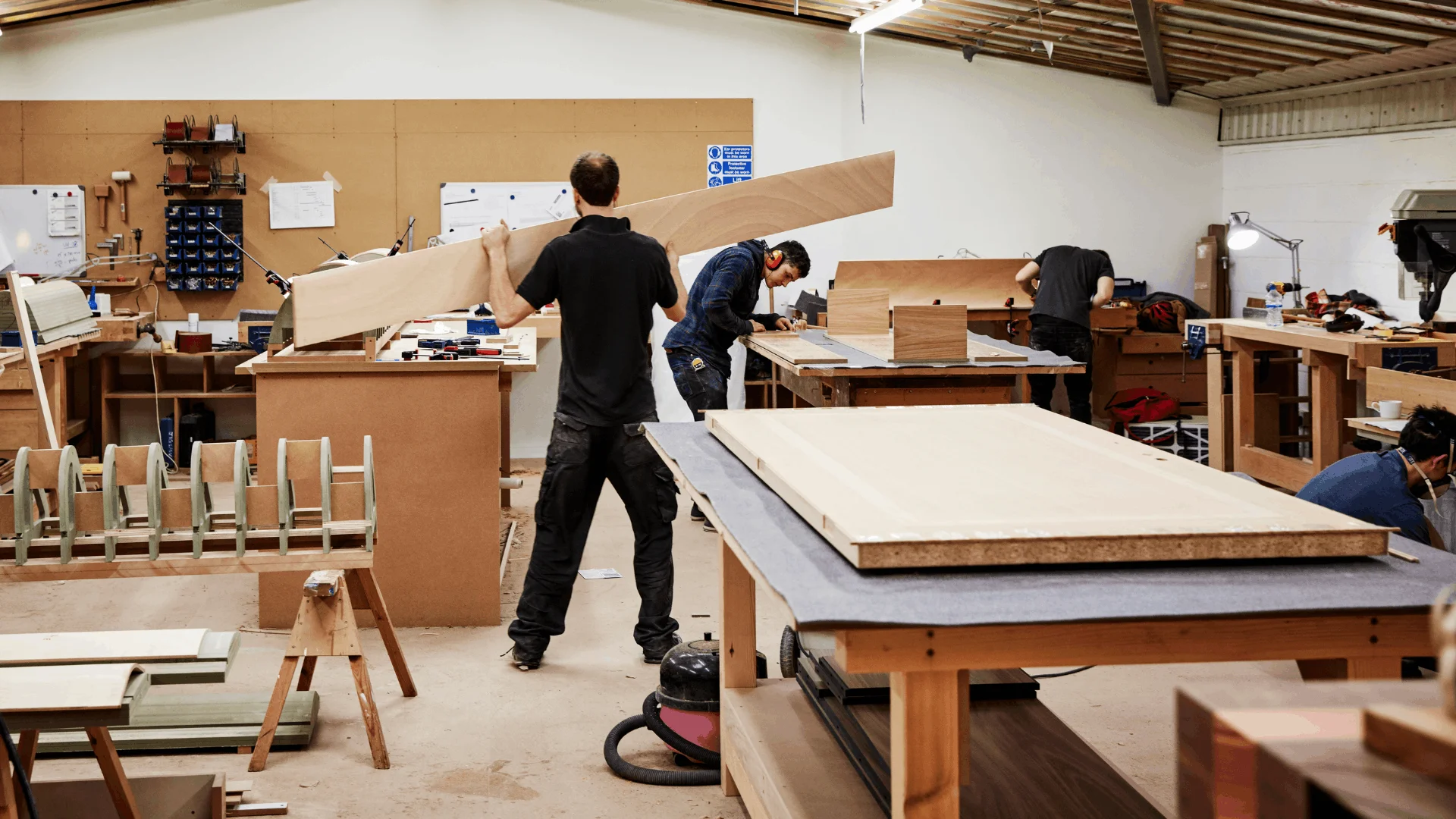
The defining advantage of bespoke design lies in craftsmanship. Skilled artisans carefully select materials, construct each component with precision, and ensure that every detail serves both function and beauty.
With handcrafted furniture London, quality control is not automated — it is personal. Each piece is inspected, refined, and perfected before delivery. This hands-on process results in stronger structural integrity and refined finishing that machines simply cannot replicate.
Craftsmanship directly contributes to long-term value in three key ways:
-
Superior materials that age beautifully
-
Construction techniques that enhance durability
-
Timeless design that transcends short-lived trends
When furniture is built to last, it reduces waste and supports sustainable consumption — a growing priority for homeowners across the UK.
Tailored Design That Maximises Your Space
One of the most compelling bespoke furniture benefits is complete customisation. Homes in London and across the UK often feature unique layouts, period details, or spatial constraints that standard furniture cannot accommodate efficiently.
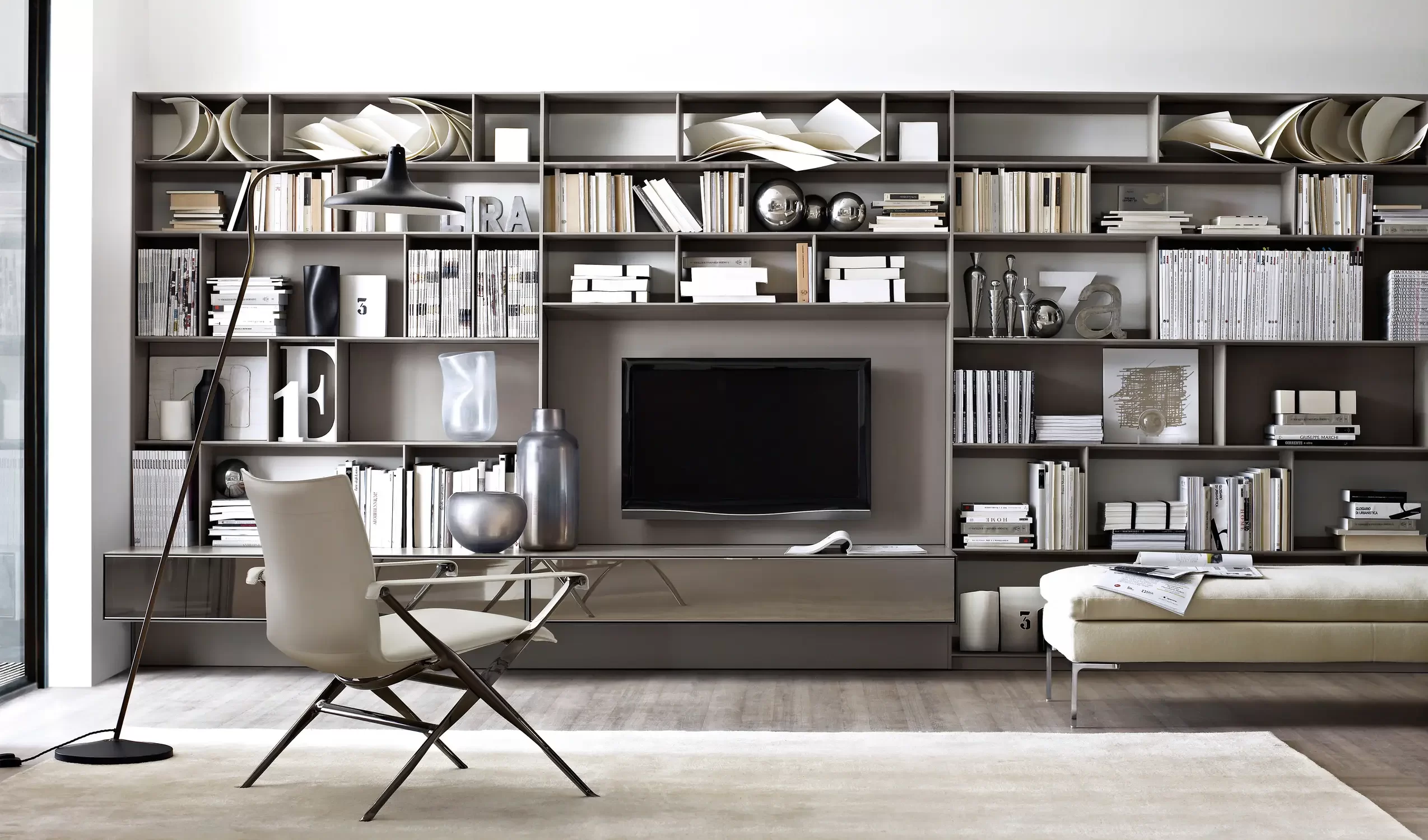
Choosing custom furniture UK means every dimension, material, and finish is tailored specifically to your environment. Whether it’s a fitted wardrobe designed for a Victorian townhouse or a statement dining table sized perfectly for an open-plan living area, bespoke solutions optimise both functionality and aesthetics.
Instead of compromising with “almost right” proportions, bespoke pieces integrate seamlessly into the architecture of your home. This level of precision enhances usability and preserves visual harmony, increasing both practical and perceived value.
Timeless Design vs Temporary Trends
Mass production relies heavily on trends. Colours, finishes, and silhouettes change seasonally, encouraging consumers to replace furniture frequently.
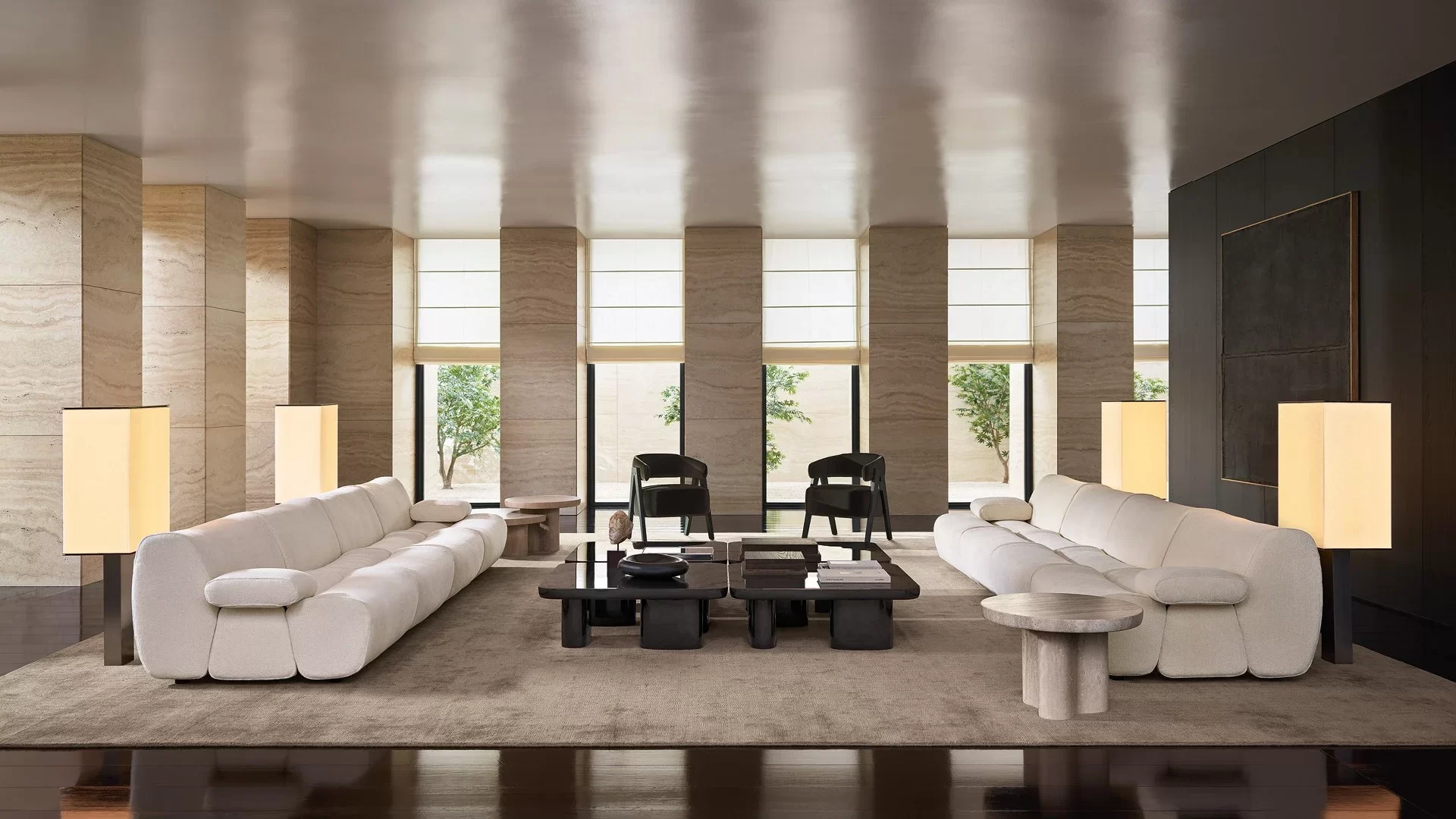
Bespoke design, however, focuses on timeless elegance. When investing in premium furniture UK, clients typically prioritise longevity over seasonal fashion. Neutral palettes, classic joinery techniques, and high-quality materials create pieces that remain relevant for decades.
Timeless design protects your investment. Rather than redecorating around outdated furniture, bespoke pieces evolve with your interior style.
Sustainability and Responsible Consumption
Sustainability has become a central factor in purchasing decisions. Fast furniture contributes significantly to landfill waste due to short product lifecycles and non-recyclable materials.
In contrast, bespoke craftsmanship promotes responsible production. Artisans create made-to-order pieces, reducing excess inventory and waste. High-quality hardwoods and durable upholstery materials extend lifespan, decreasing the need for replacements.
When comparing bespoke vs mass produced furniture, sustainability is a decisive advantage. A single well-crafted piece that lasts 25 years is far more environmentally responsible than replacing cheaper alternatives multiple times.
Emotional and Financial Return on Investment
Furniture is not just functional — it shapes daily life. A bespoke dining table becomes the setting for family gatherings. A handcrafted sofa anchors meaningful conversations. These emotional associations add intangible value that mass-produced pieces rarely provide.
Financially, quality craftsmanship retains value. Well-maintained bespoke furniture can often be restored, refinished, or reupholstered instead of discarded. This adaptability ensures longevity and reduces lifetime costs.
For homeowners seeking custom furniture UK, the return on investment is measured in durability, aesthetics, and experience — not just initial price.
The Doğan London Approach
At Doğan London, every project begins with understanding the client’s vision and lifestyle. The brand specialises in handcrafted furniture London, combining traditional woodworking techniques with refined contemporary design.
By focusing on bespoke furniture benefits such as durability, precision, and timeless appeal, Doğan London creates pieces that stand apart from factory-made alternatives. Each design reflects a commitment to excellence, ensuring clients receive true premium furniture UK crafted to endure.
This dedication to craftsmanship ensures that every item delivers long-term value — both structurally and aesthetically.
Why Bespoke Is the Smarter Choice
When evaluating furniture as an investment rather than a temporary purchase, the answer becomes clear. While mass-produced pieces may offer short-term affordability, bespoke craftsmanship delivers lasting quality, sustainability, and design integrity.
Choosing between bespoke vs mass produced furniture ultimately comes down to priorities. If durability, individuality, and long-term value matter, bespoke furniture is the smarter decision.
In a world of disposable interiors, investing in handcrafted excellence is not just a design choice — it’s a commitment to enduring quality.