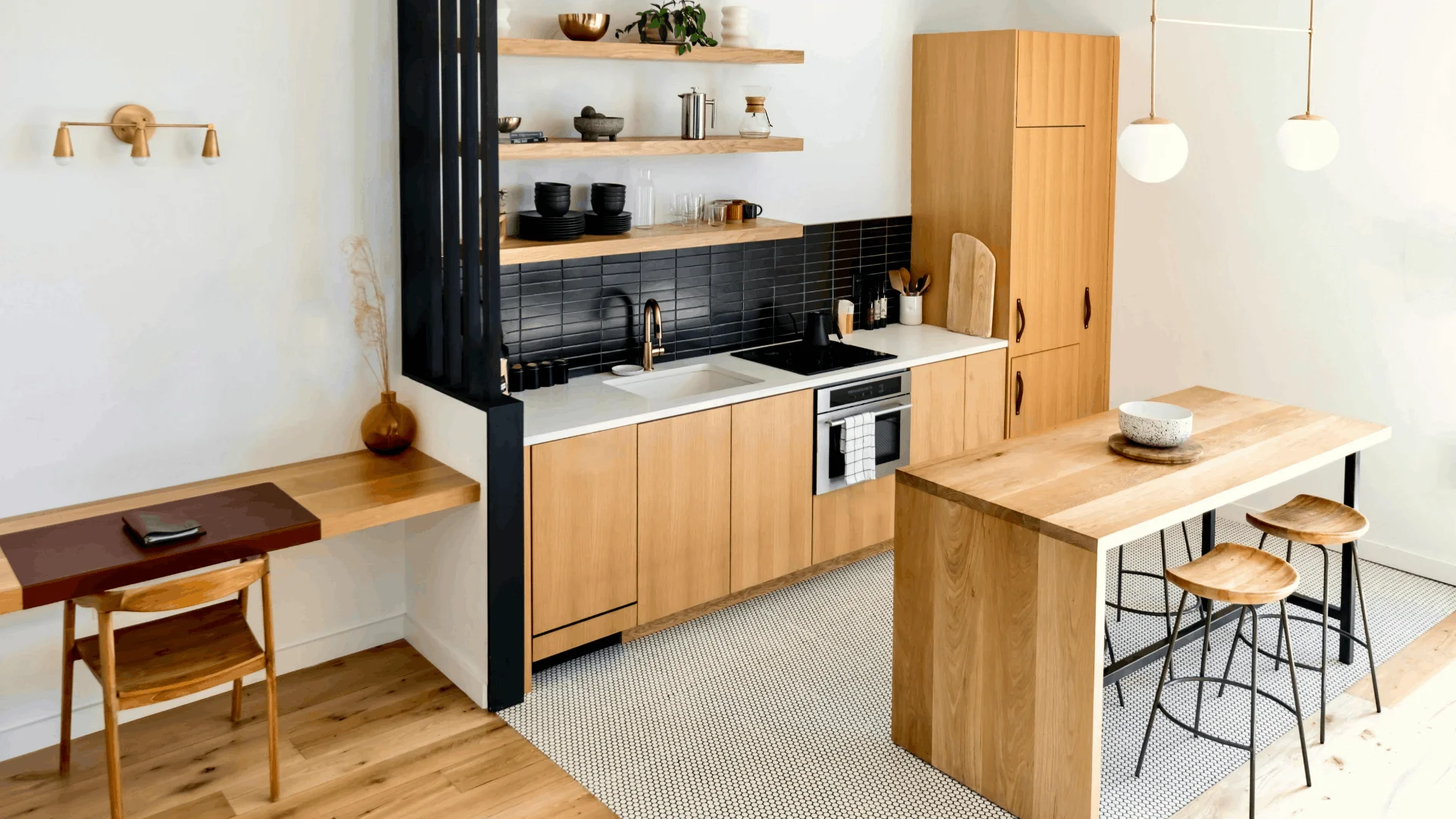
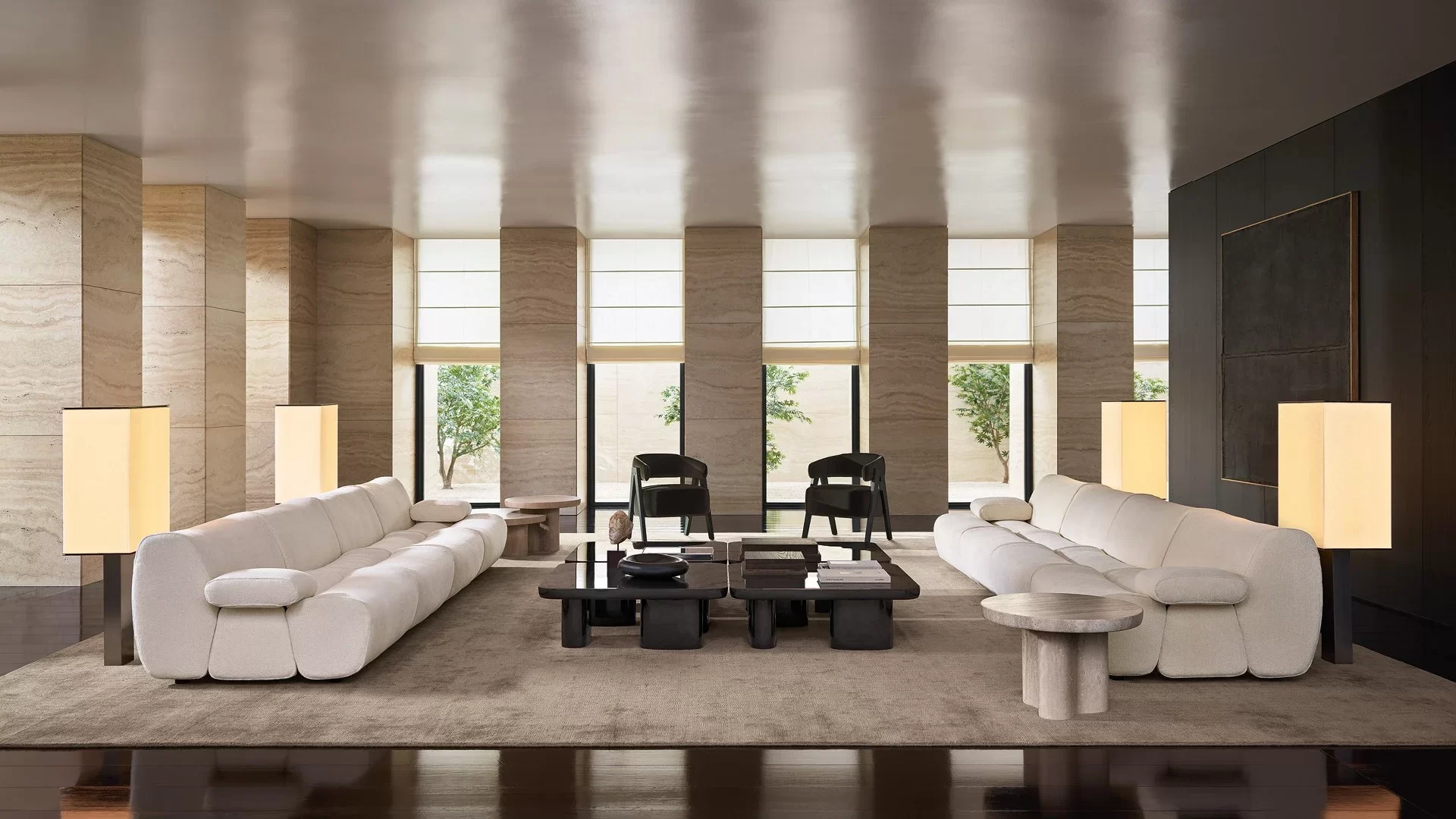
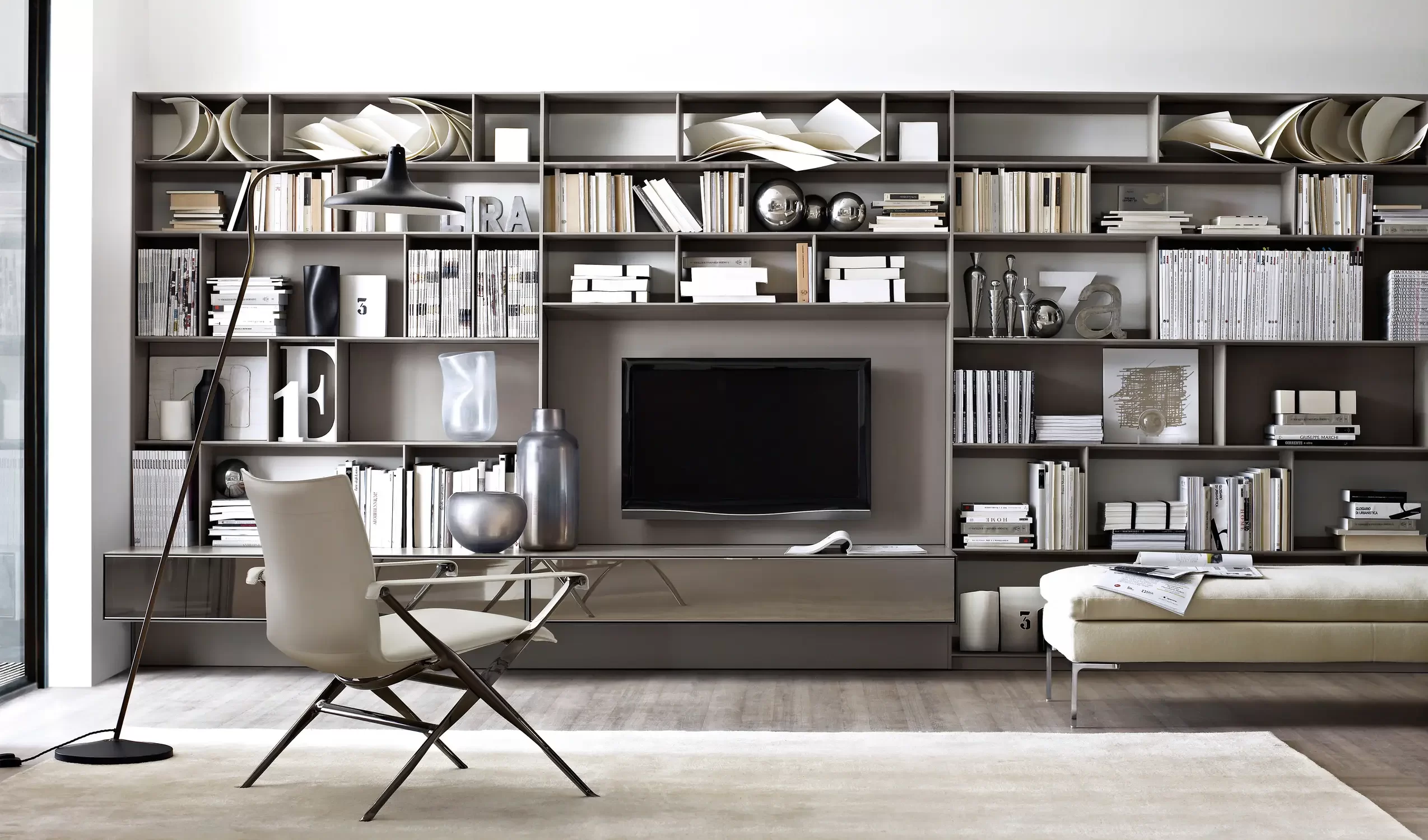
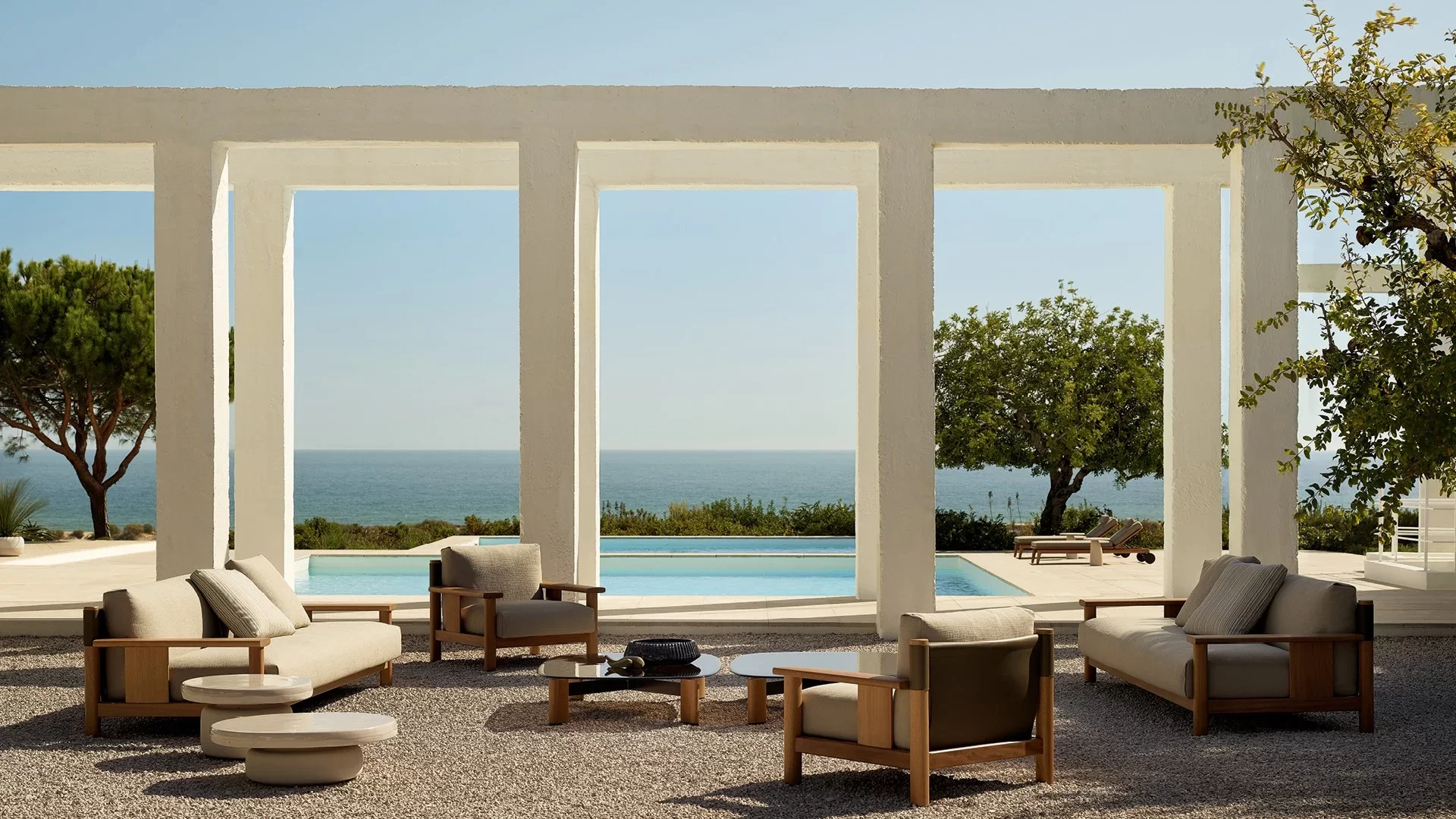
In today’s design landscape, spaces are expected to do more than simply function. They are increasingly viewed as extensions of personal values, business philosophies, and cultural narratives. This shift has elevated the importance of Wood Identity Design, an approach that combines craftsmanship, material authenticity, and meaningful storytelling to create environments with a lasting impact. At the intersection of nature and design, wood becomes more than a material—it becomes a language through which spaces communicate identity.
The growing demand for thoughtful interior design reflects a broader desire for environments that feel authentic, memorable, and deeply connected to their users. Whether in residential homes, hospitality venues, retail environments, or commercial workplaces, carefully designed wood interiors offer warmth, character, and a sense of permanence that few materials can replicate.
The Role of Wood in Spatial Identity
Every space tells a story. The textures, materials, colours, and forms chosen by designers contribute to what is known as spatial identity—the unique atmosphere and personality that define a place. Wood plays a particularly powerful role in shaping this identity because of its natural variation, tactile qualities, and emotional resonance.
Unlike synthetic materials, wood carries visible traces of its origin. Grain patterns, knots, and textures create a sense of authenticity that helps occupants form a deeper connection with their surroundings. Through thoughtful application, wood can communicate elegance, simplicity, innovation, heritage, or craftsmanship, depending on the design vision.
This connection between material and meaning is at the heart of architectural storytelling. Rather than designing spaces solely for aesthetics, designers can use wood to express values, evoke emotions, and create memorable experiences.
Creating Meaning Through Bespoke Design
Modern clients increasingly seek environments that reflect their individuality. As a result, bespoke interior design has become a defining characteristic of premium projects. Custom-designed wooden elements allow designers to move beyond standard solutions and create spaces that feel truly unique.
From handcrafted wall features and architectural joinery to tailored storage solutions and statement pieces, custom woodwork enables precise alignment between design intent and user identity. Every detail contributes to a cohesive narrative, reinforcing the character of the space while enhancing functionality.
The value of customization becomes even more apparent when integrated with custom furniture design. Carefully crafted furniture pieces can serve as focal points that embody the overall design concept while meeting practical needs. The result is an environment where every element feels intentional and connected.
Natural Materials and Human Well-Being
The appeal of wood extends beyond aesthetics. Numerous studies have highlighted the positive psychological effects of incorporating natural materials into built environments. Wood introduces warmth, softness, and visual comfort, helping to create spaces that feel welcoming and restorative.
In both residential and commercial settings, occupants often respond positively to environments that incorporate natural textures and organic elements. Wood helps soften contemporary interiors, balancing modern architecture with a sense of comfort and human connection.
As awareness of environmental responsibility grows, the use of sustainable design principles has also become increasingly important. Responsibly sourced timber and environmentally conscious manufacturing practices allow designers to create beautiful spaces while reducing ecological impact. This combination of sustainability and timeless aesthetics makes wood one of the most valuable materials in contemporary design.
Interior Architecture That Reflects Brand Values
For businesses, physical spaces are powerful communication tools. Offices, showrooms, retail stores, and hospitality venues all contribute to how customers perceive a brand. Through strategic use of wood, designers can transform environments into expressions of brand identity spaces that communicate values and strengthen customer engagement.
A well-designed interior can reinforce professionalism, innovation, craftsmanship, or sustainability. Wooden finishes, architectural details, and custom furnishings work together to create a consistent visual language that aligns with a company’s identity.
This approach is particularly relevant in the world of interior architecture London, where businesses compete to create distinctive environments that stand out in a highly sophisticated market. By integrating wood into architectural concepts, designers can deliver spaces that are both visually compelling and emotionally meaningful.
Designing Spaces That Speak
The most successful interiors are those that communicate something deeper than style alone. Through Wood Identity Design, spaces become expressions of character, purpose, and story. Wood offers a unique ability to bridge functionality and emotion, creating environments that resonate with those who experience them.
As trends continue to evolve, the demand for authentic, sustainable, and meaningful interiors will only grow. By embracing wood interiors, architectural storytelling, and bespoke interior design, designers can create spaces that do more than look beautiful—they can create spaces that speak.
At its core, Wood Identity Design is about transforming material into meaning. It is where craftsmanship meets creativity, and where wood becomes the foundation of spaces that leave a lasting impression.