In a world increasingly shaped by mass production and fast-changing trends, truly meaningful spaces are becoming rare. While furniture is often viewed as a functional necessity, the finest pieces transcend utility and become part of a deeper narrative. They carry memories, reflect personal values, and contribute to a lasting identity within a home. This is the essence of emotional design—the idea that the objects surrounding us should evoke connection, tell stories, and endure for generations.
At Doğan London, we believe that exceptional interiors are not simply furnished; they are crafted with purpose. Every piece of bespoke furniture has the potential to become part of a family's story, creating a design legacy that extends far beyond aesthetics.
Beyond Function: The Power of Emotional Design
Furniture influences how we experience our homes every day. The dining table where generations gather, the handcrafted bookshelf that showcases a lifetime of memories, or the bespoke wardrobe designed around personal routines all become woven into the fabric of daily life.
This is where emotional design distinguishes itself from conventional furniture production. Rather than prioritising standardisation, emotional design focuses on creating meaningful experiences. It considers how materials feel, how craftsmanship is perceived, and how each piece contributes to a sense of belonging.
When homeowners invest in thoughtfully designed interiors, they are not simply purchasing furniture—they are investing in comfort, identity, and lasting emotional value.
Bespoke Furniture as a Reflection of Personal Story
Every home tells a story, and furniture plays a central role in that narrative. Unlike mass-produced alternatives, custom furniture design allows homeowners to express their individuality through carefully tailored solutions.
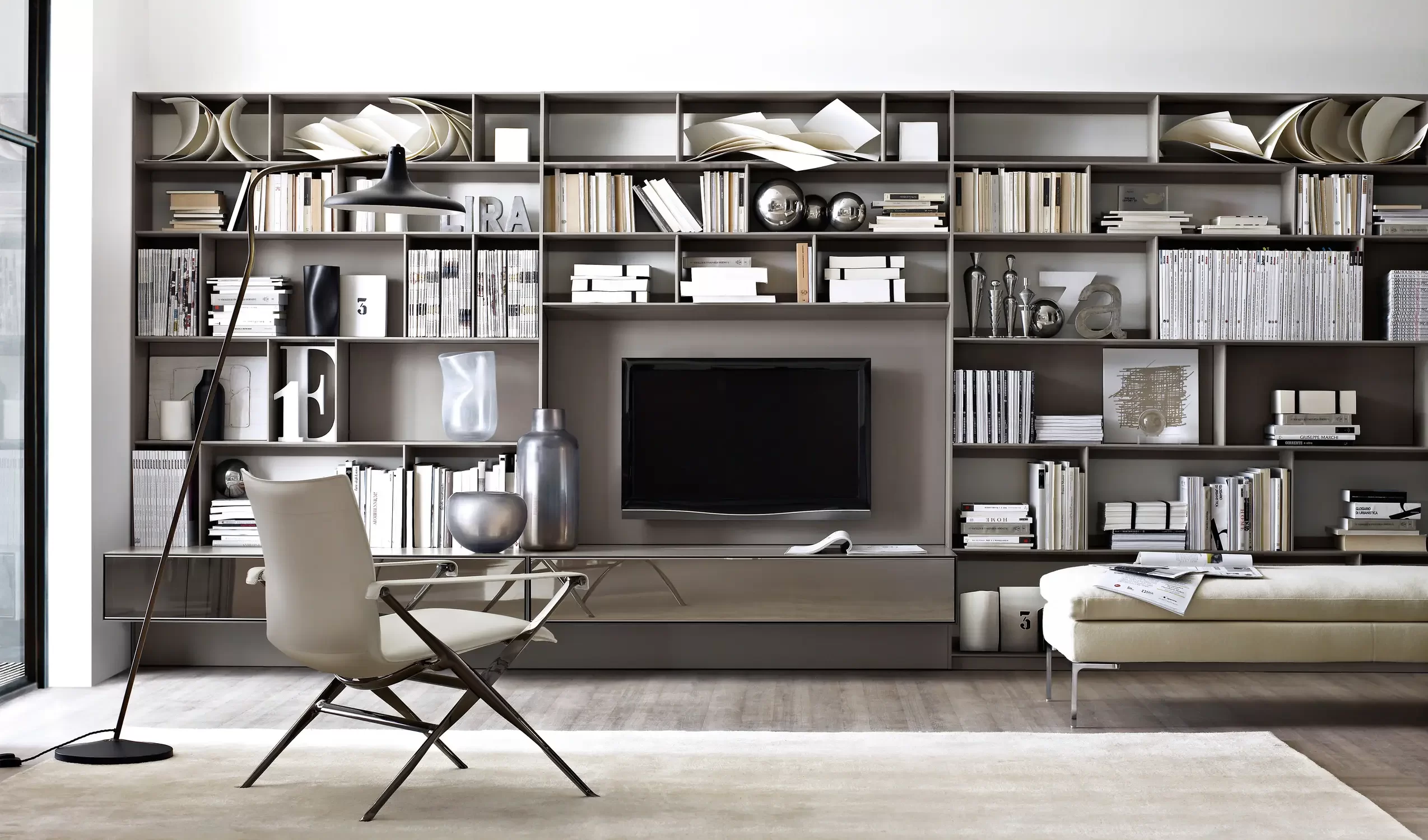
A bespoke dining table may be designed to accommodate family traditions. A fitted wardrobe may reflect a lifestyle built around organisation and elegance. A handcrafted media unit may be created to complement architectural details unique to a property.
These personalised choices contribute to what designers often call interior storytelling. Every material, proportion, finish, and detail becomes part of a cohesive narrative that reflects the people who live within the space.
Rather than adapting to furniture, homeowners can create furniture that adapts to them.
Heritage Craftsmanship in a Modern World
One of the defining characteristics of luxury bespoke interiors is the preservation of heritage craftsmanship. In an era dominated by automation, handcrafted furniture represents a commitment to skill, precision, and artistry.
Master craftsmen understand the nuances of wood grain, joinery techniques, and material behaviour. Their expertise transforms raw materials into enduring pieces that combine beauty with functionality.
This dedication to craftsmanship creates furniture with authenticity and character—qualities that cannot be replicated by large-scale manufacturing processes. Every detail reflects human expertise and attention, resulting in pieces that feel genuinely unique.
For discerning homeowners, this connection to traditional craftsmanship enhances the emotional significance of each design.
Timeless Aesthetics Over Temporary Trends
Interior trends evolve rapidly. What feels fashionable today may feel outdated in only a few years. In contrast, timeless aesthetics focus on balance, quality, and enduring appeal.
Bespoke furniture is often designed with longevity in mind. Rather than chasing seasonal trends, designers create pieces that remain relevant and elegant across decades. Natural materials, refined proportions, and thoughtful detailing ensure that these investments continue to enrich a space long after design fashions have changed.
This timeless approach supports the concept of a lasting design legacy, where furniture becomes an integral part of a home's identity rather than a disposable purchase.
Sustainable Luxury Through Longevity
Modern luxury increasingly values responsibility alongside beauty. This shift has given rise to the concept of sustainable luxury, where quality and longevity take precedence over short-term consumption.
High-quality handcrafted furniture is inherently more sustainable because it is built to last. Durable materials, expert construction techniques, and timeless design reduce the need for frequent replacements.
Choosing bespoke furniture also encourages a more intentional approach to interior design. Instead of filling spaces with temporary solutions, homeowners invest in carefully considered pieces that maintain their value over time.
Sustainability is no longer just about environmental impact; it is about creating meaningful objects worthy of preservation.
Creating a Design Legacy
The most remarkable interiors are those that continue to inspire across generations. They evolve alongside families, accumulating stories, memories, and significance over time.
A bespoke piece is not merely furniture—it becomes part of a family's heritage. It may witness celebrations, milestones, and everyday moments that define a life well lived. Through exceptional craftsmanship, personalised design, and enduring quality, these pieces acquire emotional value that cannot be measured solely by cost.
At Doğan London, we see every project as an opportunity to create more than beautiful interiors. We create spaces shaped by emotional design, enriched by heritage craftsmanship, and defined by timeless aesthetics.
Because true luxury is not about owning more. It is about creating something meaningful enough to last.
And that is the difference between furniture and a legacy.